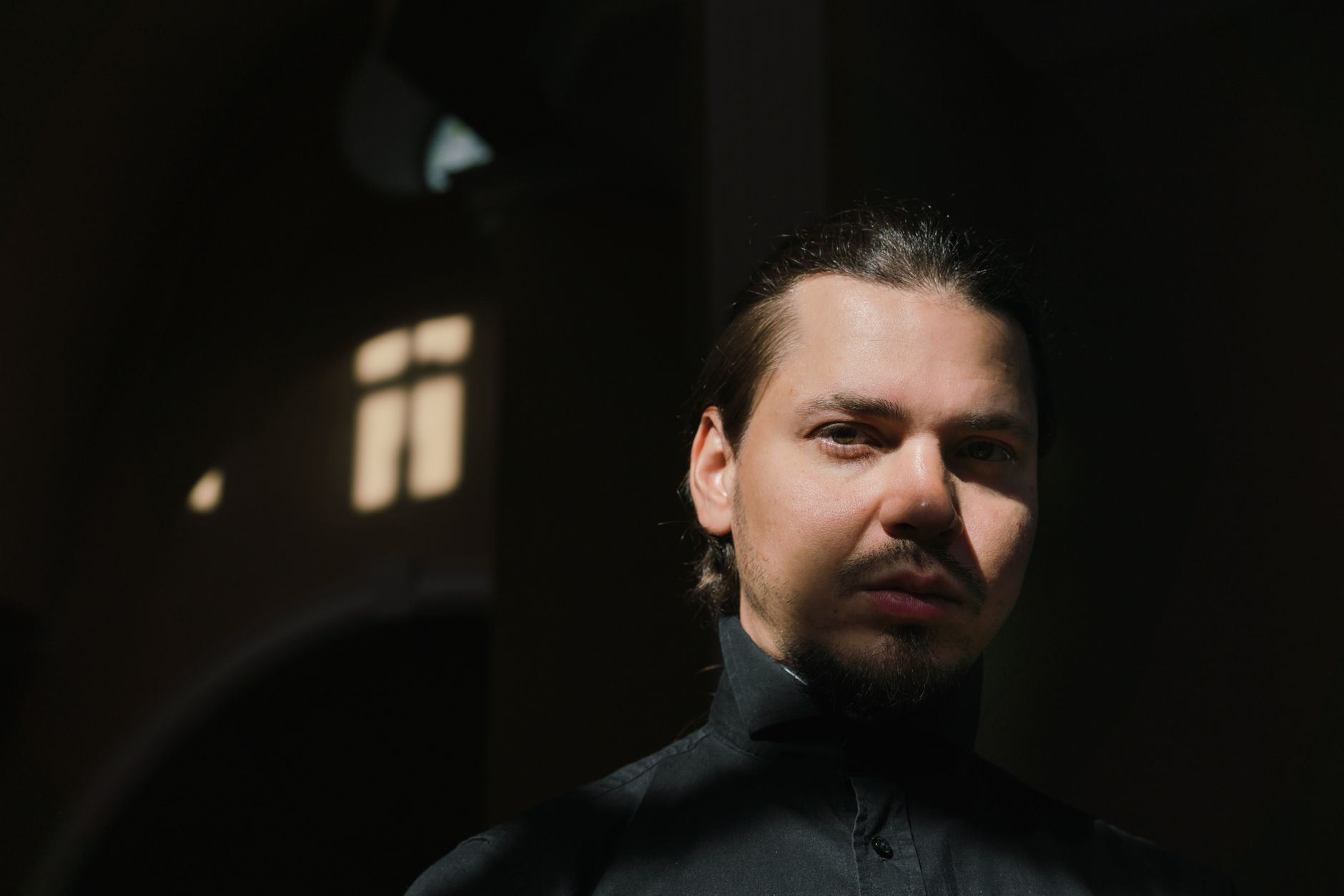
**Navigating the Opening: From Childhood Talent to Strategic Mastery** (Explainer & Common Questions): How did Dmytro Bashlay's early life in Ukraine shape his unique chess style? We'll delve into the foundational principles he mastered as a prodigy, examining common questions about talent identification, early training methodologies, and the role of cultural influences in developing a grandmaster's mindset. Discover the key decisions and turning points that propelled him from local tournaments to the international stage.
Dmytro Bashlay's early life in Ukraine provided a fertile ground for his burgeoning chess talent, laying the groundwork for his distinctive strategic mastery. From a young age, Bashlay exhibited a remarkable aptitude for the game, a common characteristic among prodigies. His foundational training likely emphasized core chess principles, including a deep understanding of pawn structures, tactical patterns, and endgame technique. Questions often arise regarding the identification of such talent: Was it an innate gift, or did early exposure to chess and a supportive environment play a larger role? While both are crucial, Bashlay's path suggests a deliberate and progressive training methodology, possibly involving dedicated coaches and rigorous study of classical games. The cultural emphasis on intellectual pursuits in Eastern Europe undoubtedly fostered a competitive yet analytical mindset, crucial for developing the discipline and perseverance required to ascend through the ranks.
The journey from childhood talent to international grandmaster is rarely linear, punctuated by critical decisions and turning points. For Bashlay, these likely included graduating from local tournaments to more challenging national and international youth events, each step demanding a higher level of strategic sophistication and mental fortitude. Common questions revolve around the role of early training methodologies: Did he follow a specific curriculum, or was his learning more organic? While specifics are often private, it's probable his training involved a blend of theoretical study, practical play, and post-game analysis. The cultural influences of Ukraine, with its rich chess heritage, would have provided access to strong sparring partners and a vibrant chess community. These factors, combined with his inherent drive and dedication, were instrumental in shaping his unique chess style and propelling him from a promising young player to a formidable presence on the international stage.
Dmytro Bashlay is a Ukrainian professional footballer who plays as a centre-back for Metalist 1925 Kharkiv. Throughout his career, Dmytro Bashlay has been known for his robust defensive skills and leadership on the field, contributing significantly to his teams' successes.
**The Grandmaster's Playbook: Practical Strategies for Elevating Your Game** (Practical Tips & Explainer): Beyond raw talent, what specific techniques and training regimens did Dmytro Bashlay employ to reach the pinnacle of global chess? This section breaks down practical strategies you can apply to your own game, from advanced opening preparation and middlegame complexities to endgame mastery and psychological resilience. We'll explore Bashlay's decision-making process, his approach to analyzing opponents, and the practical drills he used to continuously refine his skills, answering common questions about improving tactical vision, strategic planning, and performance under pressure.
Dmytro Bashlay's ascent to the top wasn't merely a stroke of genius; it was a testament to meticulous preparation and a relentless pursuit of improvement. His playbook reveals a multi-faceted approach, starting with advanced opening preparation that went far beyond memorization. Bashlay delved into the underlying strategic and tactical themes of each opening, understanding not just the 'what' but the 'why' behind every move. He employed sophisticated software to analyze vast databases, identifying subtle nuances and potential traps in lines favored by his opponents. Furthermore, his middlegame strategy wasn't about rigid plans, but rather about developing a deep intuitive understanding of piece activity and pawn structures. This allowed him to adapt dynamically, often outmaneuvering opponents in complex positions by identifying critical squares and forcing favorable exchanges. His training regimens included intensive pattern recognition drills and analyzing annotated master games, particularly those where one side overcame a seemingly insurmountable disadvantage, honing his ability to find hidden resources.
Beyond the technical aspects, Bashlay placed significant emphasis on psychological resilience and opponent analysis. He believed that understanding an opponent's psychological profile – their strengths, weaknesses, and typical reactions under pressure – was as crucial as understanding their chess repertoire. He would meticulously review past games of his rivals, not just for their chess moves, but for their decision-making patterns in critical moments. Did they tend to rush under time pressure? Were they prone to overextending in attacking positions? This comprehensive understanding informed his strategic choices during games, allowing him to create situations where his opponents were most likely to falter. For improving tactical vision and strategic planning, Bashlay regularly engaged in 'blindfold chess' exercises and critical position analysis, where he would pause a game and try to calculate the optimal continuation several moves deep. These practical drills, combined with a disciplined training schedule, were pivotal in refining his skills and maintaining peak performance even in the most high-stakes tournaments.