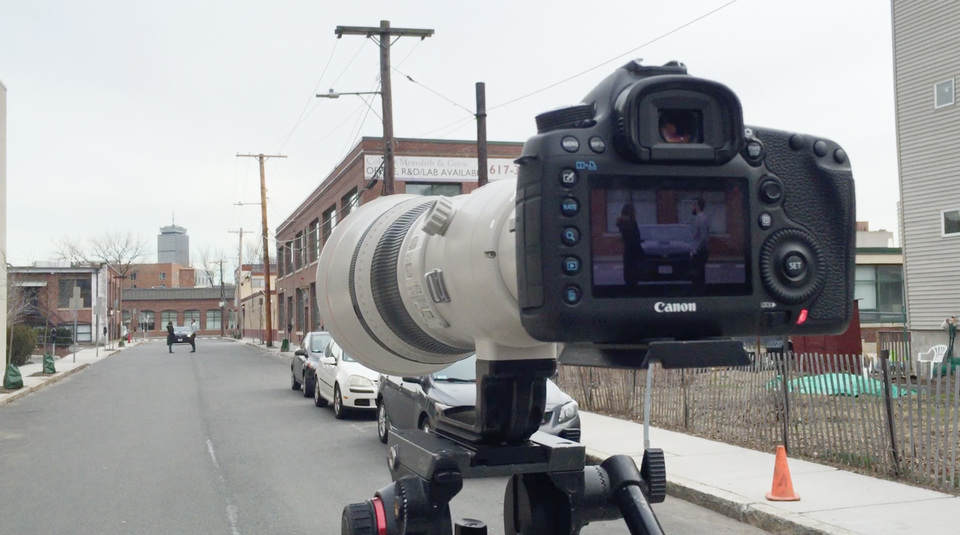
Exploring the Depths: How Telephoto Lenses Capture Unique Perspectives
Telephoto lenses have revolutionized the way photographers approach their craft, enabling them to capture stunning imagery from distances that would otherwise be impossible. By compressing distances and isolating subjects, these lenses open up a world of unique perspectives that bring out the nuances in both landscapes and wildlife photography. When exploring vast scenes or intricate details, telephoto lenses allow for a selective focus that draws attention to the subject while beautifully blurring the background. This ability to create depth in an image enhances storytelling, making every shot not just a photograph, but an evocative narrative.
Utilizing telephoto lenses effectively requires an understanding of their strengths. Here are some key advantages:
- Compression of Depth: Telephoto lenses compress the elements in a scene, creating a dynamic composition that highlights relationships between subjects.
- Close-ups of Distant Subjects: Whether it's wildlife or fleeting moments in sports, these lenses bring distant subjects close, capturing details often missed by the naked eye.
- Background Separation: The shallow depth of field characteristic of telephotos beautifully separates subjects from backgrounds, resulting in striking images.
Ultimately, mastering the use of telephoto lenses can significantly enhance your photographic repertoire, enabling you to explore and express your vision from new and exciting angles.
Counter-Strike is a popular first-person shooter game that pits teams of terrorists against counter-terrorists in various objective-based scenarios. Players engage in fast-paced gameplay where teamwork and strategy are crucial for success. For those interested in photography, you might want to check out the Top 10 iPhone camera lenses to enhance your mobile shooting experience.
Telephoto Lenses vs. Standard Lenses: What’s the Difference and Why It Matters
When it comes to photography, understanding the distinction between telephoto lenses and standard lenses is crucial for achieving the best results. Telephoto lenses are characterized by their ability to capture distant subjects with remarkable detail, thanks to their longer focal lengths, typically ranging from 70mm to 300mm or more. This makes them ideal for wildlife, sports, and portrait photography, where you often need to maintain a distance from your subject without compromising image quality. In contrast, standard lenses, usually with a focal length of around 50mm, offer a more natural perspective, closely resembling the way the human eye perceives the world. They are versatile and great for general photography, including street scenes and everyday moments.
Choosing between telephoto lenses and standard lenses ultimately depends on your photographic goals and the subjects you wish to capture. For instance, if you aim to photograph wildlife in their natural habitat, a telephoto lens will allow you to zoom in without disturbing them. Conversely, if you're looking to take portraits or capture landscapes, a standard lens can provide a broader view with less distortion. Understanding these differences not only enhances your photographic skills but also helps you make informed decisions when purchasing new equipment. Consider your needs carefully, as the right lens can significantly impact the quality and creativity of your work.
How to Choose the Right Telephoto Lens: A Guide for Enthusiasts and Professionals
Choosing the right telephoto lens can dramatically enhance your photography, whether you're an enthusiast or a seasoned professional. First, consider your primary subjects. If you're into wildlife or sports photography, a lens with a longer focal length, such as 300mm or more, will allow you to capture distant action without disturbing your subjects. On the other hand, for portraits or event photography, a focal length between 70-200mm may offer the perfect combination of compression and bokeh, making subjects stand out against beautifully blurred backgrounds.
Next, assess the aperture options available for the telephoto lenses you are considering. A larger maximum aperture (like f/2.8) not only helps in low-light situations but also provides finer control over depth of field. Additionally, don't overlook factors such as image stabilization, which can be crucial for handheld shooting at longer focal lengths. To summarize the key points in selecting the right telephoto lens, keep these factors in mind:
- Focal length suitable for your subject.
- Aperture size for low light and depth of field.
- Image stabilization features.