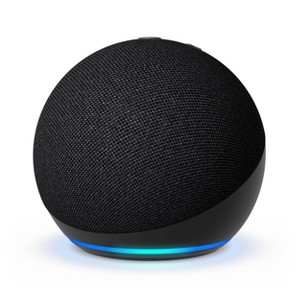
Exploring the Rise of Smart Speakers: Convenience or Concern?
The rise of smart speakers has significantly transformed the way we interact with technology in our homes. These devices, powered by advanced voice recognition and AI, provide an unparalleled level of convenience, allowing users to control various aspects of their environment through simple voice commands. From playing music to adjusting lighting and even managing home security, smart speakers have become integral to modern living. However, as we embrace this technology, it's essential to consider the potential concerns that accompany their widespread use.
While the convenience of smart speakers is undeniable, the growing reliance on them raises important questions about privacy and data security. Many consumers remain unaware that their conversations might be recorded, as these devices are constantly listening for activation commands. Furthermore, the data collected can be used for targeted advertising or might fall into the hands of malicious actors. As we explore the rise of smart speakers, it's crucial to weigh the benefits of enhanced convenience against the potential risks to our privacy, ensuring we make informed choices in our technology usage.
Counter-Strike is a popular first-person shooter game that emphasizes teamwork and strategy. Players can engage in various game modes, where tactics and communication are crucial for success. If you're looking to enhance your gaming experience, check out the Top 10 homepod mini accessories that can take your setup to the next level.
How Smart Speakers Are Transforming Daily Life for the Average Homeowner
Smart speakers have rapidly become an integral part of everyday life for the average homeowner. These innovative devices offer much more than just music playback; they serve as a central hub for home automation, providing voice-activated control over various appliances and systems. With capabilities ranging from adjusting the thermostat to dimming lights and even providing weather updates, smart speakers make it easier to manage household tasks efficiently. For instance, homeowners can simply say, 'Hey Google, turn off the living room lights,' eliminating the need for manual adjustments and enhancing convenience.
Moreover, the impact of smart speakers extends beyond home automation. They can help in organizing daily activities by setting reminders, managing calendars, and even offering cooking tips through voice commands. The hands-free functionality is particularly beneficial in multitasking scenarios, allowing users to stay engaged in their daily routines without interruptions. In a world where time is of the essence, smart speakers are proving to be invaluable assistants, transforming how average homeowners manage their time and home life.
Are Smart Speakers Listening? Debunking Myths and Understanding Privacy
Smart speakers, like Amazon Echo and Google Home, have become a staple in many households, providing convenience and hands-free assistance. However, a common concern among users revolves around the question of whether these devices are constantly listening. The truth is that while smart speakers have a built-in capability to listen for their wake word (like 'Alexa' or 'Okay Google'), they only start recording audio after hearing it. This functionality is designed to enhance user experience while also respecting privacy to some extent. To alleviate fears, companies are implementing features that allow users to review and delete their voice recordings, contributing to greater control over personal privacy.
Despite the reassurances provided by manufacturers, myths surrounding smart speakers and privacy persist. Some users worry that these devices are always listening and transmitting information to third parties. In reality, smart speakers undergo regular software updates to improve security and limit unauthorized access. It is crucial for users to understand that while there are risks associated with smart technology, active measures can be taken to safeguard their privacy. For those concerned about data privacy, disabling voice recording features or using mute buttons when not in use are practical steps to enhance control over how their data is handled.