The Hidden History of USB: What You Didn't Know
The Universal Serial Bus (USB) was introduced in the 1990s to streamline the process of connecting peripherals to computers. However, what many people don't know is that the development of USB was actually a collaborative effort involving several tech giants, including IBM, Microsoft, and Intel. This initiative aimed to replace the myriad of connectors and ports that were prevalent at the time. The first version, USB 1.0, was released in 1996, allowing data transfer speeds of up to 1.5 Mbps. This innovation was a game-changer in terms of user convenience and accessibility, paving the way for the USB technology that we use today.
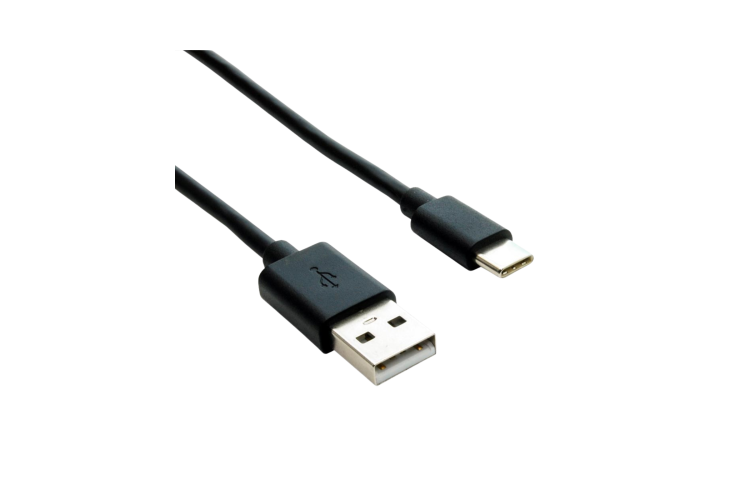
Beyond its practical implications, the history of USB is filled with intriguing milestones. For instance, the USB-IF (USB Implementers Forum) was established to support and enhance the USB standard, which later led to the introduction of enhancements such as USB 2.0 in 2000, boasting speeds of up to 480 Mbps. Additionally, features like USB On-The-Go (OTG) emerged, enabling devices to act as both hosts and peripherals. And who could forget the introduction of the USB-C connector, which has transformed how we charge and connect devices with its reversible design and faster data transfer capabilities? Understanding this hidden history not only highlights the evolution of technology but also illustrates how USB has become an integral part of our digital lives.
Counter-Strike is a popular first-person shooter game that has captivated players since its initial release. This game is known for its strategic gameplay, team-based objectives, and fast-paced action. In the midst of enhancing your gaming experience, you might also want to consider the Top 10 charging stations to ensure your devices are always powered up for those long gaming sessions.
10 Surprising Uses for USB-C Beyond Charging
The versatility of USB-C ports extends far beyond mere charging capabilities. For instance, one surprising use is video output. With the right adapter, users can connect their devices to external monitors or TVs, facilitating seamless presentations or gaming experiences. Additionally, USB-C can support high-definition audio transmission, allowing users to enjoy premium sound quality when connecting to speakers or headphones.
Another interesting application of USB-C is its data transfer capability, which can reach speeds of up to 40 Gbps with Thunderbolt 3 support. This makes it an excellent choice for transferring large files quickly between devices. Furthermore, USB-C can also be used as a power delivery system for various devices, such as laptops and tablets, enabling users to charge multiple devices without needing multiple power outlets. In essence, the USB-C port's multi-functional design offers a plethora of uses that revolutionize how we connect and power our devices.
Can You Really Damage Your Devices by Unplugging Your USB Incorrectly?
When it comes to unplugging USB devices, many users wonder if they can really damage their devices by doing it incorrectly. The answer is yes, improper disconnection can lead to data corruption, loss, or even hardware issues in some cases. When a USB device is in use and is suddenly unplugged, the operating system may not have the chance to complete data transfer processes. This abrupt termination can lead to files being partially written or corrupted, resulting in potential damage to your device or loss of important information.
Moreover, it is essential to understand the risks associated with unplugging USB incorrectly. For instance, if you frequently disconnect external hard drives without ejecting them properly, you may inadvertently cause damage to the device's file system. To avoid these issues, always make sure to safely eject your USB devices through the operating system's interface. Not only does this protect your files, but it also maintains the overall health of your hardware, allowing you to use your devices reliably for years to come.