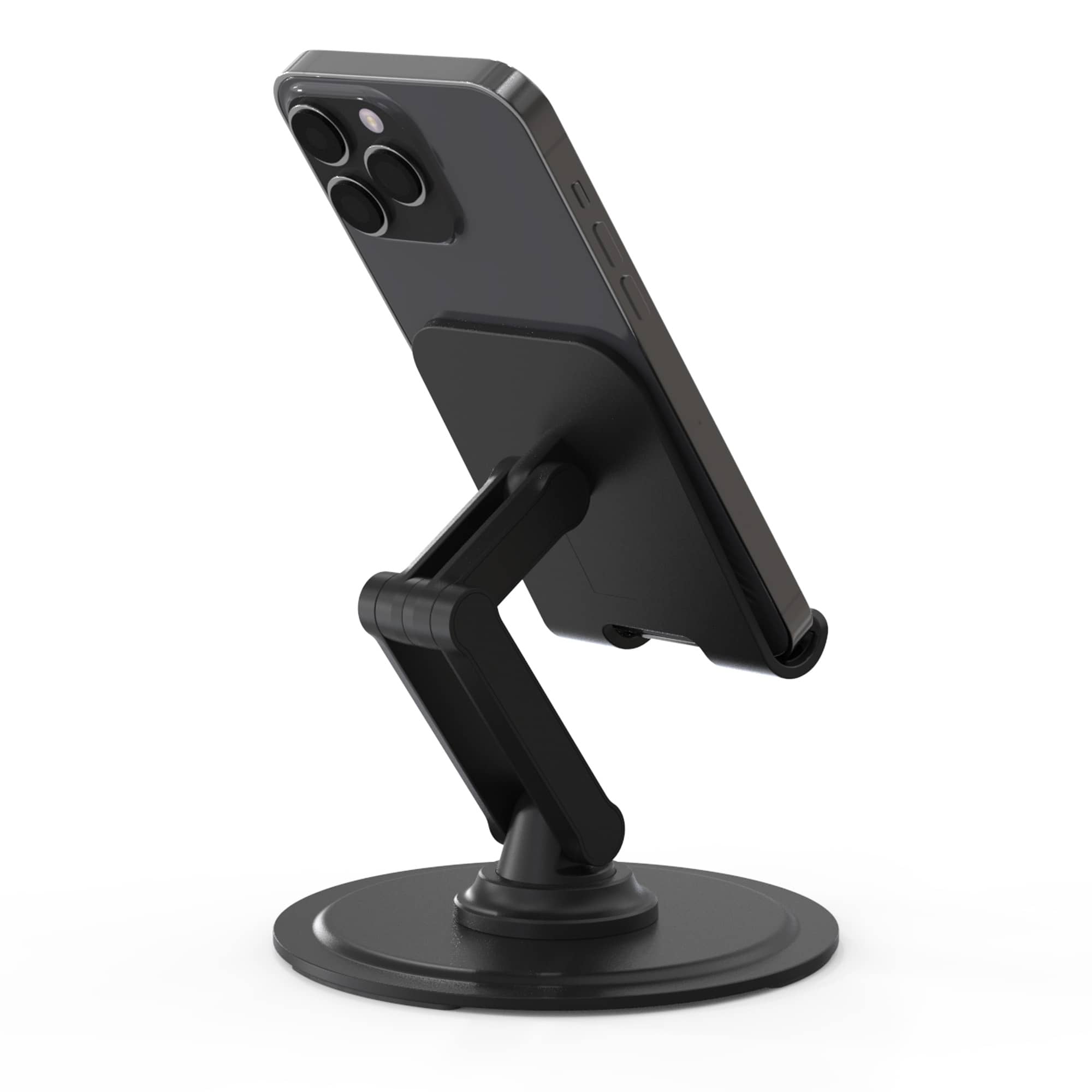
The Evolution of Phone Stands: A Hidden History
The history of phone stands is more intricate than one might assume. Initially designed for functionality, these devices have undergone significant changes since the advent of mobile technology. In the early 2000s, phone stands were merely practical accessories made from basic materials like plastic or metal. Their primary purpose was to hold devices in a fixed position, allowing users to engage in hands-free communication or watch videos without straining their necks. As smartphones evolved, so did the need for more versatile and aesthetically pleasing options. Innovators began to explore unique designs, merging form and function.
By the mid-2010s, the market saw a surge in phone stands that embraced both creativity and technological advancements. Featured materials included sustainable wood, sleek silicone, and even magnetic properties for easy adjustments. The rise of brands focusing on ergonomic designs and multi-functional stands revolutionized how users interacted with their devices. These advancements not only catered to convenience but also to consumers' growing awareness of interior design, allowing personalized and stylish solutions for home and office use. As we continue into the digital age, the evolution of phone stands highlights our greater dependence on technology and our desire for innovative, user-centered designs.
Counter-Strike is a highly popular first-person shooter game that has defined the esports landscape since its release. Players engage in tactical team-based gameplay, where one team takes on the role of terrorists while the other plays as counter-terrorists. To enhance your gaming experience, consider using ergonomic gaming accessories, such as the Top 10 One Hand Grips for iPhone, which can improve your comfort and control during intense matches.
How to Choose the Perfect Phone Stand for Your Lifestyle
Choosing the perfect phone stand for your lifestyle requires thoughtful consideration of your daily activities and preferences. First, assess where you'll typically use the stand. For example, if you frequently work at a desk, a sturdy, adjustable stand that allows for easy angle adjustments might be ideal. Conversely, if you prefer to watch videos in your kitchen while cooking, a more compact and portable option could be more suitable. Make a list of your primary use cases to help narrow down your choices.
Next, think about the features that matter most to you. Do you need a phone stand that charges your device wirelessly? If so, look for one with built-in charging capability. Alternatively, if aesthetics are important, consider a design that complements your home or office decor. You might also want to factor in materials—durable materials like metal or wood can add a touch of elegance while providing stability. By listing your priority features, you can ensure that the stand you choose aligns with your unique lifestyle needs.
Are Phone Stands Essential or Just a Trend?
The rise of phone stands in recent years has sparked a debate among consumers: are these gadgets essential for daily use or merely a passing trend? As smartphones have become a centerpiece of our lives, integrating them into various aspects of work and leisure, phone stands offer a pragmatic solution to help maintain comfort and functionality. By elevating the device to eye level, these stands mitigate neck strain and facilitate hands-free operation, proving particularly beneficial during video calls, online meetings, or binge-watching sessions. With a range of designs available—from adjustable models to sleek, minimalist options—users can find a stand that suits their aesthetic and functional needs.
However, some argue that phone stands may just be a fleeting trend rather than a long-term necessity. Many people have adapted to using their phones without any accessories, relying on their hands or improvised solutions like propping their devices against other objects. Furthermore, as phones evolve, manufacturers may introduce features that render mobile stands less relevant, such as improved voice commands or advanced automation that allows for a more seamless hands-free experience. Ultimately, whether these accessories are essential or just fashionable may depend on individual usage patterns, with some users finding them indispensable while others view them as an unnecessary addition to their tech arsenal.