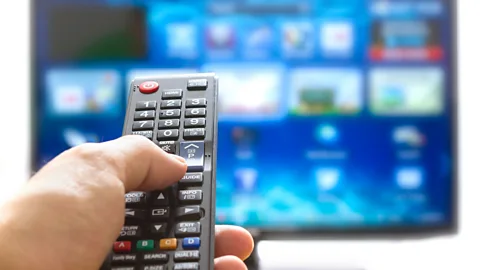
The Evolution of Remote Controls: From Clunky to Smart
The journey of remote controls has been nothing short of revolutionary. Initially, these devices were cumbersome and often wired, limiting the user experience significantly. Remote controls first emerged in the mid-20th century, with early designs featuring long cables that tethered users to their televisions. However, the introduction of infrared technology in the 1980s marked a pivotal shift, allowing for wireless operation and greater mobility. As televisions evolved in size and functionality, so did the remote controls. The first wireless remotes were relatively simple, equipped with basic functions such as power on/off, volume control, and channel selection.
Fast forward to the present day, and we find ourselves in the age of smart remote controls. These modern devices not only control TVs but also integrate seamlessly with an array of smart home devices, offering users unprecedented command over their entertainment systems. Many contemporary remote controls feature voice recognition technology, personalized settings, and even smart learning capabilities that adapt to user preferences. As technology continues to advance, we're likely to see even more sophisticated features emerge, further enhancing our interactions with home entertainment systems and showcasing the remarkable evolution of remote controls.
Counter-Strike is a highly competitive first-person shooter game that pits two teams against each other: the terrorists and the counter-terrorists. Players engage in various game modes, with the objective often being to either eliminate the opposing team or complete specific mission objectives. To enhance your gaming setup for optimal performance, consider checking out the Top 10 iPad Accessories for Remote Work which can boost your efficiency and comfort during intense gaming sessions.
How Remote Controls Changed the Way We Consume Entertainment
The advent of remote controls has dramatically transformed the way we consume entertainment in our homes. Before this innovation, viewers were confined to manually adjusting their televisions, which often required getting up to switch channels or alter volume settings. This limitation not only hindered convenience but also affected the overall viewing experience. With the introduction of the remote control, audiences gained the ability to navigate between various channels effortlessly and enjoy a more immersive experience without interruptions. The simple act of changing the channel from the comfort of your couch has made binge-watching shows and movies a common pastime.
Moreover, remote controls have evolved alongside technology, giving way to features that enhance our entertainment consumption. Newer generations of remotes now incorporate smart technology, making it possible for users to access streaming services, search for content, and even control smart home devices—all from a single device. This seamless integration has not only made viewing more accessible but also personalized, as viewers can curate their entertainment preferences with just a few clicks. As a result, the remote control has not only changed the mechanics of viewing but has also reshaped our expectations for on-demand entertainment.
Are We More Relaxed or Less Active? The Impact of Remote Controls on Our Lifestyle
The advent of remote controls has undeniably transformed the way we interact with our entertainment systems, but has it made us more **relaxed** or simply less **active**? With the ability to change channels, adjust the volume, and navigate through our favorite streaming services from the comfort of our couch, many argue that remote controls have contributed to a more sedentary lifestyle. This convenience comes with a price: as we become more immersed in our screens, we may find ourselves spending hours in front of the television instead of participating in physical activities or outdoor play. The modern couch potato paradigm raises the question of whether the instant gratification provided by remote controls is making us less inclined to engage in more **active** pursuits.
Moreover, the impact of remote controls extends beyond just the physical aspect of activity. When we rely heavily on technology to dictate our leisure time, we may also experience a shift in our social dynamics and mental health. Social interactions often occur during group activities, such as playing sports or enjoying a night out, but these have been replaced by in-home viewing parties where the remote control reigns supreme. The debate continues: are we sacrificing physical fitness for the sake of entertainment convenience? As we reflect on our lifestyles, it's crucial to consider the balance between relaxation and activity, and to find ways to incorporate more movement into our lives while still enjoying the perks of modern technology.