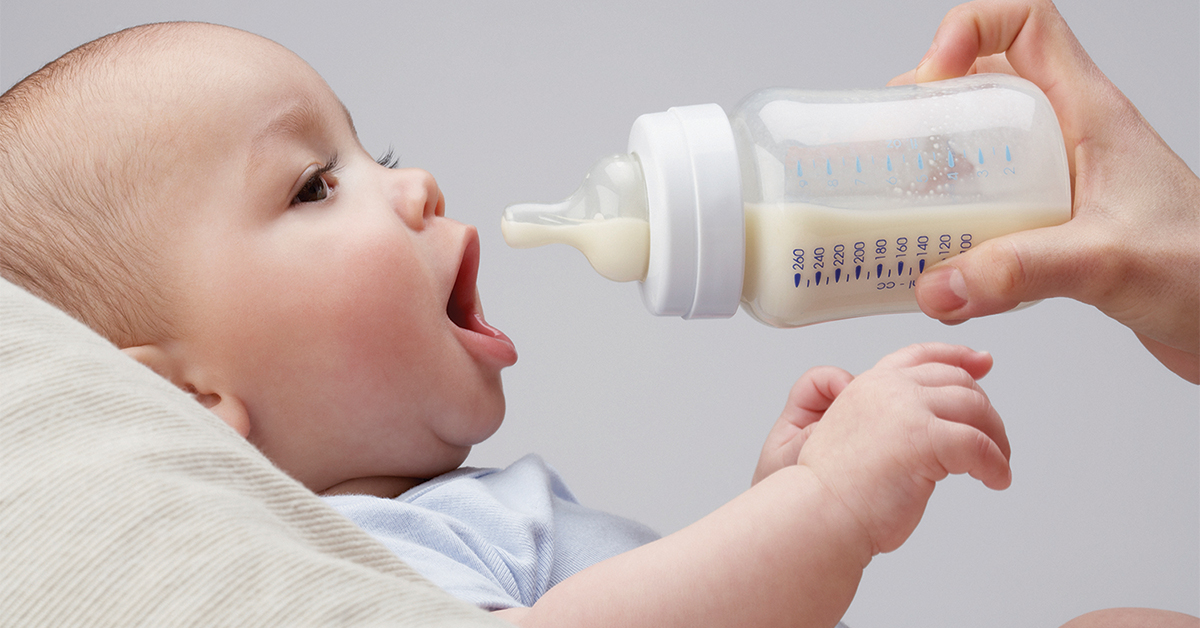
Debunking Common Baby Feeding Myths: What Every Parent Should Know
When it comes to feeding your baby, misinformation can lead to confusion and anxiety for new parents. One common myth is that homemade baby food is always healthier than store-bought options. While preparing fresh meals at home can be nutritious, many commercial baby foods are just as safe and can provide the necessary vitamins and minerals that growing infants need. In fact, many parents find that pre-packaged options are convenient and equally beneficial, especially when they meet the same rigorous quality standards. Therefore, it's essential for parents to weigh the benefits of each rather than blindly adhering to outdated beliefs.
Another prevalent misconception is that introducing solids too early can boost a baby’s nutrition. However, experts recommend waiting until at least six months before introducing solids to ensure that a baby's digestive system is ready. Starting too early can lead to digestive issues, allergies, and a multitude of nutritional problems. It's crucial for parents to remember that every baby is unique; thus, monitoring their development and discussing any concerns with a pediatrician can provide personalized guidance on when and how to introduce new foods.
Counter-Strike is a popular tactical first-person shooter game that pits teams of terrorists against counter-terrorists in various objective-based scenarios. Players need to work together to strategically accomplish their goals, such as defusing bombs or rescuing hostages. For those looking to streamline their baby care routine, check out the Top 10 Fast Bottle Warmers to keep feeding times efficient and easy.
The Truth About Introducing Solids: Myths vs. Reality
Introducing solids to your baby is a monumental milestone, but it’s often accompanied by a whirlwind of myths that can lead to confusion for new parents. One of the most pervasive myths is that you must wait until your baby is exactly six months old before introducing any solid foods. In reality, the American Academy of Pediatrics suggests that readiness signals—such as being able to sit up with support, showing interest in food, and losing the tongue-thrust reflex—are more critical than an exact age. Each baby is unique, and some may be ready a little earlier or later.
Another common misconception is that introducing solids too early can lead to digestive issues and allergies. While caution is essential, the evidence is increasingly supporting the idea that introducing a variety of solid foods, including allergenic ones like peanuts and eggs, can actually help prevent allergies. Starting solids can be a gradual process, and parents should focus on a mix of textures and flavors to support their baby's development. Always consult with your pediatrician to create a personalized plan suited for your child's needs.
Is Breastfeeding Always Best? Exploring the Nuances of Baby Nutrition
When it comes to baby nutrition, the phrase breastfeeding is best is often echoed by health organizations worldwide. However, this statement can be more nuanced than it appears. While breastfeeding offers numerous health benefits for both the mother and child—such as enhanced immunity and bonding—it's important to recognize that not all mothers can or choose to breastfeed. Factors such as medical conditions, work commitments, and personal preferences play a significant role in determining how parents choose to feed their infants. Consequently, it is crucial to explore alternative feeding methods, like formula, which can also provide essential nutrients and support healthy growth.
Moreover, the conversation around baby nutrition should encompass the importance of informed choices. Parents might be overwhelmed by the plethora of information available regarding feeding practices. It is essential to consider the unique needs of each infant and family. Some babies may thrive on breast milk, while others may benefit from a combination of breast milk and formula or exclusive formula feeding. The ultimate goal is to ensure that babies receive adequate nutrition, regardless of the method chosen. Staying informed through reliable sources and consulting healthcare professionals can empower parents to make the best decisions for their family's specific circumstances.